How Roof Ventilation Helps Prevent Moisture and Mold
Roof ventilation helps prevent moisture and mold buildup by improving airflow, and local service providers can install and maintain effective systems to protect your home.
Understanding how roof ventilation helps prevent moisture and mold is essential for property owners who want to maintain a healthy and durable home. Proper roof ventilation allows excess humidity and warm, moist air to escape from the attic and upper areas of the building, reducing the chances of condensation buildup that can lead to mold growth. This is particularly important in areas with high humidity or significant temperature fluctuations, where moisture tends to accumulate unnoticed. Local contractors experienced in roof ventilation can assess a property's specific needs and recommend solutions that promote consistent airflow, helping to safeguard the structure and indoor air quality.
For property owners exploring ways to protect their investment, working with local service providers who specialize in roof ventilation can offer practical benefits. These professionals understand the local climate and common moisture challenges, enabling them to install or upgrade ventilation systems effectively. Properly ventilated roofs not only prevent mold but also improve energy efficiency by reducing heat buildup in the attic. Keeping moisture out of the home is a key step in preserving the roof’s integrity and preventing costly repairs down the line. Engaging with trusted local contractors ensures that the right ventilation solutions are tailored to each property’s unique conditions.
- Attic Ventilation Installation - homeowners noticing excess moisture or mold growth may need attic ventilation services, which local contractors approach by assessing airflow and installing vents to promote proper air exchange.
- Roof Ventilation Repair - if existing ventilation systems are damaged or blocked, local service providers can inspect and repair or replace components to improve moisture control and reduce mold risk.
- Attic Insulation and Ventilation Assessment - those experiencing indoor humidity issues often seek evaluations from local pros who can recommend ventilation improvements to prevent moisture buildup.
- Venting System Upgrades - property owners with outdated or ineffective ventilation may need upgrades, with local contractors implementing modern solutions to enhance airflow and prevent mold development.
- Roof Ventilation Troubleshooting - when signs of excess moisture or mold appear, local service providers can diagnose ventilation problems and suggest effective solutions to maintain a dry, mold-free environment.
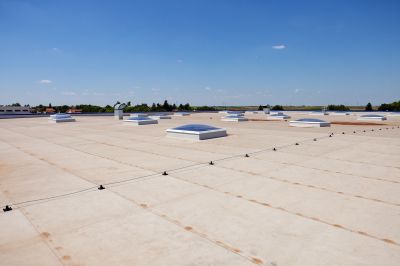
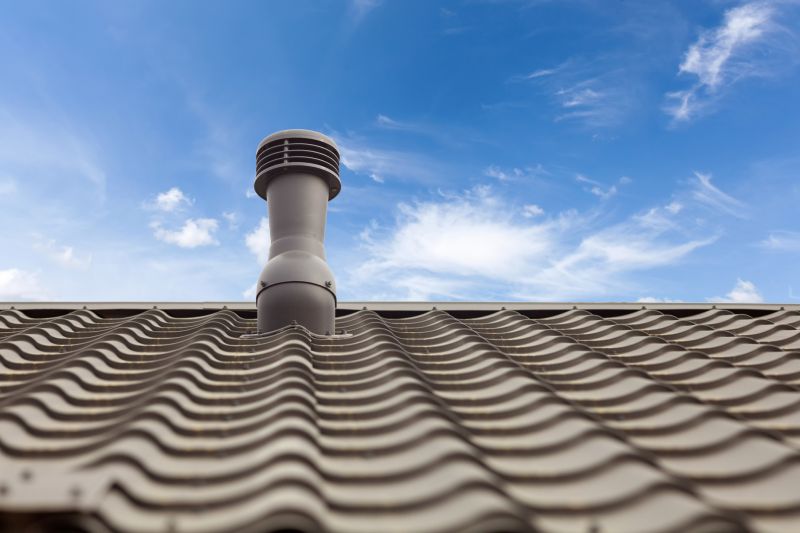
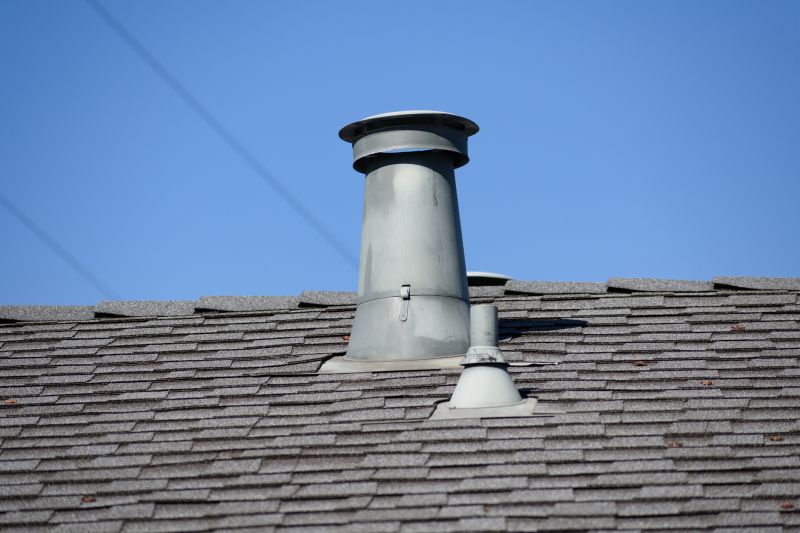
When people search for how roof ventilation helps prevent moisture and mold, they are often concerned about maintaining a healthy, durable home. Moisture buildup inside the attic or roof space can lead to a range of problems, including wood rot, compromised insulation, and the growth of mold. Homeowners may notice signs like musty odors, visible mold spots, or increased humidity levels, prompting them to explore ways to improve airflow. Understanding the role of roof ventilation in controlling moisture levels is key to preventing these issues before they develop into costly repairs or health hazards.
This topic is closely related to common home improvement or maintenance plans that focus on attic health, energy efficiency, and structural integrity. Poor ventilation can cause warm, moist air to become trapped in the roof space, especially during colder months or in humid climates. This trapped moisture creates an environment conducive to mold growth, which can spread quickly and damage roofing materials, insulation, and framing. Many property owners seek solutions to improve airflow, whether through installing vents, attic fans, or other ventilation systems, to mitigate these risks and extend the lifespan of their roofs.
The types of properties that frequently come up in discussions about roof ventilation and moisture control include single-family homes, multi-family residences, and commercial buildings with attic or roof spaces. Homes with poorly insulated or sealed attics are especially vulnerable to moisture problems, as they tend to trap warm, humid air. Older properties, in particular, may lack adequate ventilation systems, making them prime candidates for upgrades. Regardless of property size or age, ensuring proper roof ventilation is a practical step toward maintaining a healthy roof environment and preventing mold growth that can affect residents’ health and property value.
Local service providers who specialize in roof ventilation can evaluate existing systems or recommend new installations tailored to each property’s needs. They assess factors such as roof design, attic space, climate conditions, and current ventilation to determine the best solutions. These professionals can install vents, attic fans, or other airflow devices designed to promote consistent, effective ventilation. Connecting with experienced local contractors ensures that property owners receive practical, effective solutions that help prevent moisture accumulation and mold growth, ultimately protecting the home’s structure and indoor air quality.
Attic Insulation Installation - Proper insulation work often involves planning for effective attic ventilation to prevent moisture buildup and mold growth.
Roof Repair and Replacement - Ensuring adequate roof ventilation is a key component of roof repairs and replacements to maintain a healthy, moisture-free environment.
Attic Ventilation System Installation - Local contractors who install attic ventilation systems help improve airflow, reducing the risk of moisture and mold issues.
Gutter and Drainage System Services - Proper gutter and drainage work supports roof ventilation efforts by directing moisture away from the roof and attic spaces.
Attic Fan and Vent Fan Installation - Installing attic or roof fans enhances airflow, which is essential for preventing moisture accumulation and mold development.
Roof Inspection and Maintenance - Routine inspections often include assessing roof ventilation effectiveness to identify potential moisture problems early.
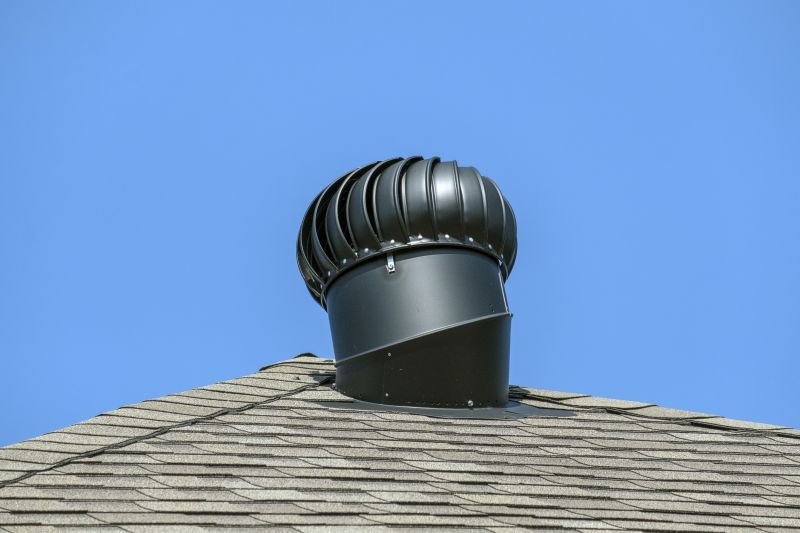
When evaluating roof ventilation services, it is important to consider the experience of local contractors with similar projects. An experienced provider will have a clearer understanding of how roof ventilation helps prevent moisture and mold, and will be able to tailor solutions to the specific needs of different roof types and attic configurations. Asking about past work related to moisture control and mold prevention can help gauge their familiarity with effective ventilation techniques, ensuring that the chosen service provider has a solid track record in addressing these issues.
Clear written expectations are essential when comparing local contractors for roof ventilation services. A reputable professional will be able to outline the scope of work, including the installation process, materials used, and how their approach supports moisture and mold prevention. This transparency helps homeowners understand what to expect and ensures that the project aligns with their goals for attic health and air quality. Detailed communication about the steps involved can also reduce misunderstandings and make the overall process smoother.
Reputable references and good communication are key factors in selecting a reliable service provider. Homeowners should seek out contractors who can provide references from past clients, particularly those who had similar concerns about moisture and mold issues. Consistent and clear communication throughout the project is also vital, as it demonstrates professionalism and a commitment to addressing homeowner questions or concerns. Choosing a local contractor with strong references and a reputation for responsive communication can lead to a more confident decision and a successful roof ventilation upgrade.
Property owners often search for how roof ventilation helps prevent moisture and mold when they are planning practical projects around their homes and businesses. Local pros provide Roof Ventilation services for everyday jobs and straightforward project options.
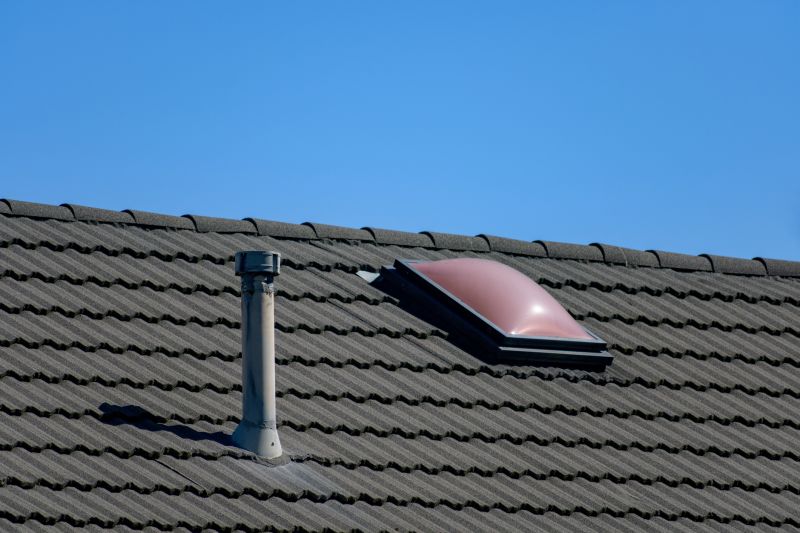
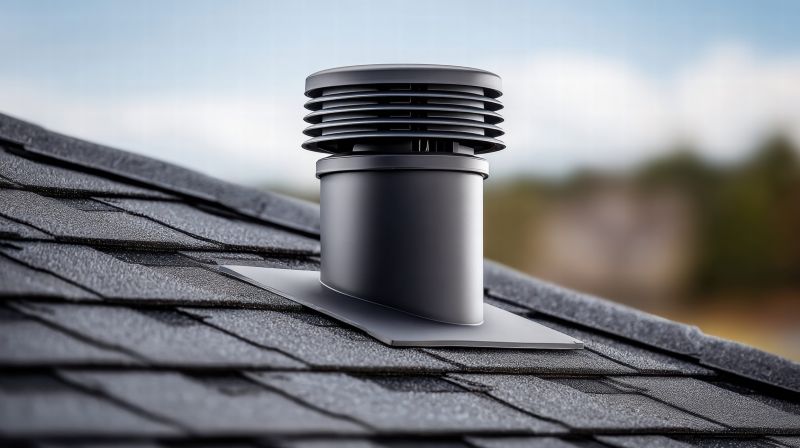
Proper roof ventilation plays a key role in managing moisture levels inside a home, especially in areas prone to humidity or seasonal changes. When warm, moist air escapes through well-ventilated attic spaces, it helps prevent excess humidity from building up, which can lead to condensation and create an environment where mold can thrive. Homeowners dealing with persistent moisture issues often consider professional roof ventilation services to ensure their attic and roof spaces are properly ventilated, reducing the risk of mold growth and potential damage to roofing materials.
Many property owners in the area look into roof ventilation solutions after noticing signs like musty odors, visible mold spots, or peeling paint around the attic or upper walls. These signs can indicate that moisture is not being effectively vented out, which can compromise indoor air quality and lead to costly repairs down the line. Connecting with local contractors who specialize in roof ventilation can help address these concerns, providing expert installation and advice to improve airflow and protect the home from moisture-related problems.
How does roof ventilation help prevent moisture buildup? Proper roof ventilation allows moist air to escape from the attic, reducing humidity levels that can lead to moisture accumulation and potential mold growth.
Can roof ventilation reduce the risk of mold in my home? Yes, effective roof ventilation helps control indoor humidity and prevents excess moisture, which are key factors in mold prevention.
What role do local contractors play in improving roof ventilation? Local contractors can assess your roof’s ventilation needs and install or upgrade systems to promote proper airflow, helping to prevent moisture-related issues.
Why is proper attic ventilation important for moisture control? Proper attic ventilation ensures that moist air does not become trapped, which can cause condensation and promote mold development over time.
How can I find service providers to improve my roof ventilation? You can connect with local service providers who specialize in roof ventilation to evaluate your home and recommend suitable solutions for moisture prevention.
Assessing attic ventilation needs - property owners can evaluate their attic to identify areas where ventilation improvements may be needed, helping to prevent moisture buildup.
Installing proper vents - homeowners can work with local contractors to add or upgrade roof vents, ensuring adequate airflow to reduce humidity levels.
Maintaining existing ventilation systems - regular inspections and cleaning of roof vents can keep airflow unobstructed, supporting ongoing prevention of moisture issues.
Choosing the right ventilation solutions - property owners can consult with local pros to select ventilation options that suit their roof type and climate, enhancing mold prevention efforts.
If you are thinking about how roof ventilation helps prevent moisture and mold for a property, this guide is meant to help you understand this topic, the typical project types, and how different options might fit your plans.
When you are ready, you can use the quote form on this page to share a few details about your project. From there, local pros can review the basics and follow up with options that match what you have in mind.